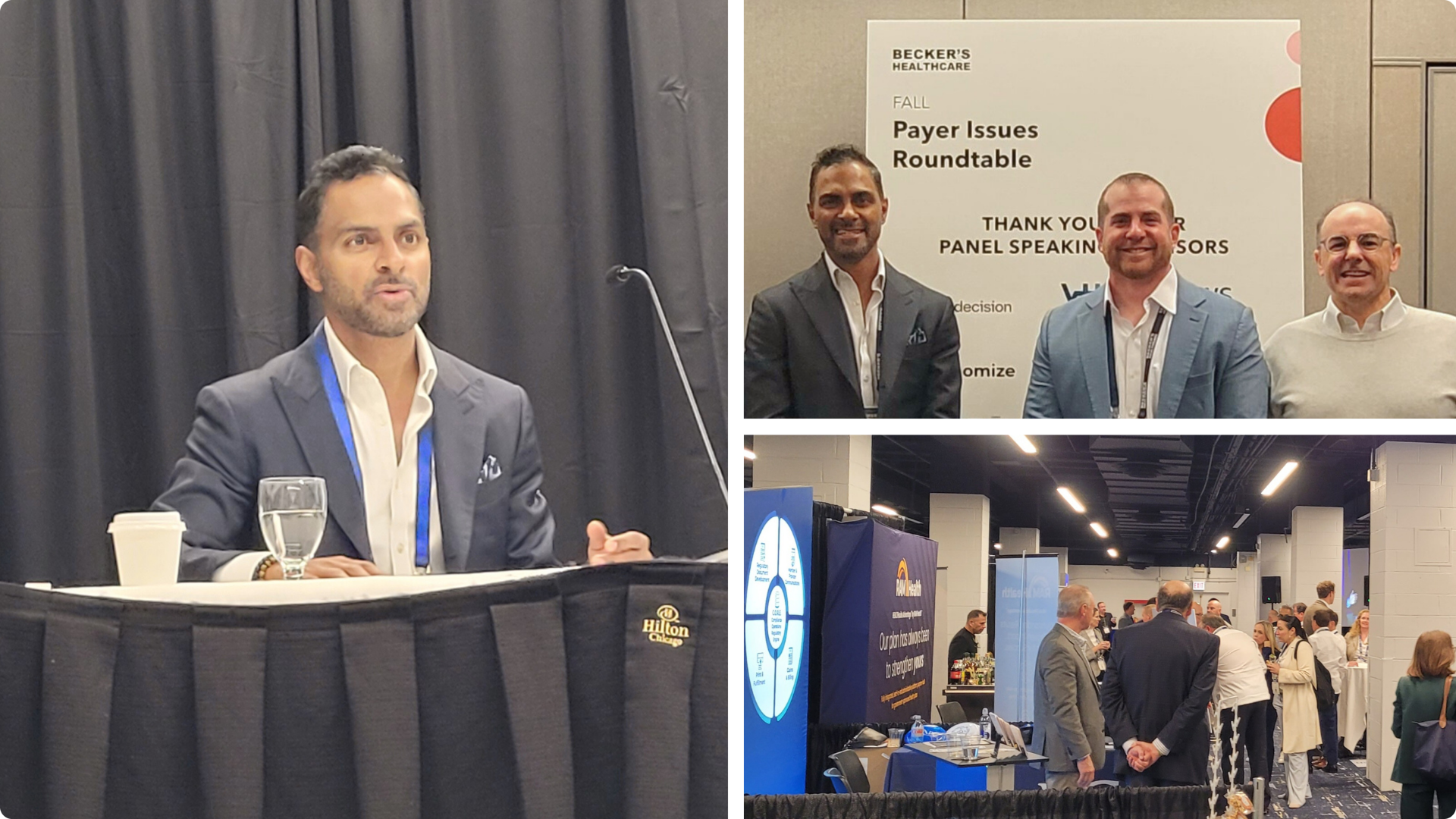

The 2025 Becker’s Fall Payer Issues Roundtable event brought together payer leaders, clinicians, and technology executives around a central challenge: how to rebuild health plan operations for an environment defined by regulation, margin pressure, workforce strain, and rapidly advancing AI.
Across two days, one truth echoed through nearly every conversation — incremental change is no longer enough. Health plans can’t simply automate old processes; they have to redesign them. The future is about coordination, context, and AI that makes healthcare faster, fairer, and easier to trust.
Ganesh Padmanabhan: Three truths about how AI really scales in healthcare
During a session on AI and digital transformation, Autonomize AI CEO Ganesh Padmanabhan cut through the noise with a few hard-earned lessons about how AI actually works inside payers.
First, he challenged the idea that a single model can solve everything. “We’re all looking for nails when an LM is a hammer,” he said, describing how enterprises keep building one-off pilots without a plan for scale. AI, he reminded the audience, is “a bag of tools for a bag of problems.” The job of leadership is to match each problem to the right capability—and to run AI as a managed portfolio, not as scattered experiments.
Second, he warned against automating a single step in a broken process. He told the story of call center AI used to collect care management data that ended up creating more paperwork for nurses afterward. “If you only optimize one part of the workflow,” he said, “the problem just bulges somewhere else.” His point: real efficiency comes from designing AI across the entire workflow, so the gain doesn’t come at someone else’s expense.
Finally, he reframed how plans should think about prior authorization. Using the example of PET scan requests for cancer patients, Ganesh explained that each authorization is more than a transaction — it’s an early signal of a long care journey. With the right orchestration, AI can anticipate downstream needs, group related authorizations together, and flag care navigators to step in sooner. The result: fewer delays, better coordination, and a more human experience for members and providers alike.
Day 1: Strategy meets execution
Day 1 set the tone with conversations that blurred the lines between strategy, clinical leadership, and operations. Leaders discussed how payer–provider collaboration, executive decision-making, and daily processes must move in sync if plans want to meet rising expectations from regulators and members alike.
The day’s focus shifted quickly to AI, data, and the economics of care. Health plan executives explored how clinical intelligence and automation can create measurable impact in areas like network performance, Medicare Advantage, and specialty pharmacy. Later sessions tied everything back to value-based care, equity, and chronic disease management—underscoring that affordability and member experience depend on how well plans turn scattered data into reliable, explainable AI-driven processes.
Day 2: Interoperability, resilience, and reform
Day 2 moved from ideas to action. Early panels looked at what it means to be an AI-enabled payer—one that uses digital tools and whole-person care models as part of daily operations, not as innovation pilots. The focus was on resilience: how to handle margin pressure and new therapies while keeping quality high.
Much of the day centered on interoperability and collaboration. Speakers made it clear that data exchange is no longer a compliance box to check—it’s becoming a performance advantage. By linking systems and workflows, plans can shorten cycle times, improve transparency, and reduce the rework that drains both money and morale.
Prior authorization reform was a focal point, tied closely to CMS-0057 and AHIP’s public commitments for faster, fairer, and more consistent decisions. These sessions echoed Ganesh’s message: AI must be built to support full workflows, not just automate single steps. The event closed with a look ahead at value-based contracting and chronic care management—where data, analytics, and AI will determine who thrives in the next phase of payer evolution.
From insight to action
The takeaway from this year’s Roundtable was clear. Payer–provider alignment, equity, and value-based care are converging with AI and interoperability to form a single operating system for modern healthcare. Prior authorization, claims, and chronic care are no longer back-office functions—they’re front-line proof of how well a plan performs.
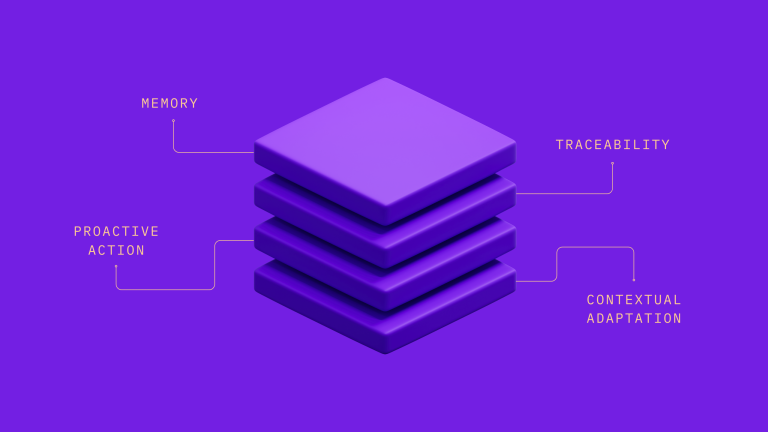
For payers, the next move is to bring it all together: adopt a portfolio approach to AI, design for entire workflows, and ensure every output is traceable, compliant, and defensible.
That’s the foundation of Autonomize AI—a healthcare-native platform where AI Agents and human experts work side by side to make decisions faster, safer, and easier to explain.
The Becker’s Roundtable made one thing clear: healthcare doesn’t need more pilots. It needs partners who can help turn AI ambition into operational reality.